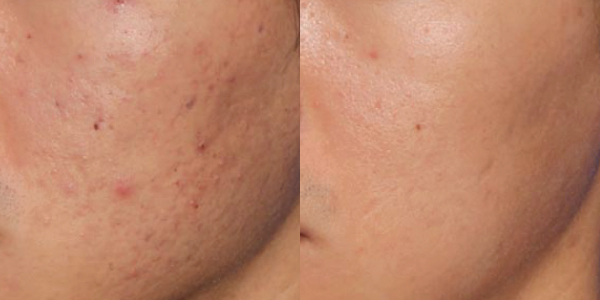
How to Find the Best Acne Scar Treatment for Your Skin
Understand What Causes Acne Scars & Explore Safe Cosmetic Options
Nearly everyone has experienced breakouts at some point, whether due to hormones, stress, climate, diet, or genetics. But often, it’s not just the acne itself that’s frustrating. The long-lasting marks and uneven texture left behind can be just as distressing. So what’s the best approach to managing acne scars while keeping your skin healthy and safe?

Why Do Acne Scars Form?
When blemishes — especially larger pustules, cysts, or nodules — become inflamed or improperly treated, they can leave behind visible marks or depressions in the skin. This often happens because inflammation disrupts the skin’s natural repair process, leading to either an excess or loss of collagen. Picking or squeezing breakouts can increase the risk of scarring.
Some individuals, especially those with oilier skin types, hormonal fluctuations, or conditions like PCOS, may be more prone to developing post-acne scarring or pigmentation.
How to Minimize Acne Scars the Right Way
While some acne marks may fade over time, others require a more intentional and consistent skincare approach. Here are a few strategies to help minimize scarring and improve the overall look of your skin:
1. Don’t Pick at Pimples
Resist the urge to pop or squeeze breakouts. Picking can introduce bacteria and increase inflammation, leading to dark marks, redness, or pitted scars that are more difficult to treat later on.
2. Build a Smart Skincare Routine
For mild post-acne marks or uneven tone, incorporating cosmetic skincare products with the following ingredients may help:
- Vitamin C – Brightens and supports skin tone
- Arbutin or Kojic Acid – Helps reduce visible pigmentation
- Glycolic, Lactic, or Mandelic Acid – Gently exfoliate and refine texture
- Salicylic Acid – Keeps pores clear and smooths the skin’s surface
- Retinol – Supports natural cell turnover for smoother skin
Start slowly, using these products on alternating nights, and avoid overuse to prevent irritation or sensitivity.
3. Be Gentle With Exfoliation
Over-scrubbing or frequent use of physical exfoliants can damage your skin barrier and worsen discoloration. Choose gentle exfoliants, and limit use to once or twice a week unless advised otherwise by a skincare professional.
4. Always Cleanse Before Bed
Leaving makeup or sunblock on overnight can clog pores and contribute to more breakouts. A thorough double cleanse — especially at night — helps prevent congestion and future scarring.

When to See a Professional
If scars are persistent, textured, or have been present for years, professional skin treatments may help support more noticeable improvement. Options to consider:
- Mild Acne Scars: Microneedling with a professional device can help refine the skin’s surface and promote a smoother appearance through cosmetic collagen stimulation.
- Stubborn Discoloration: A Series of chemical peels using ingredients like glycolic, lactic, or mandelic acid may assist in improving tone and texture.
- Deeper Scars: A combination of microneedling and professional resurfacing treatments, such as fractional peels, may be considered by licensed providers.
Always consult a qualified aesthetician, nurse, or medical professional to determine the most appropriate cosmetic approach for your skin type and concerns.

Final Thoughts
There’s no one-size-fits-all solution for acne scars. Consistency, patience, and a professional plan are key to seeing smoother, more radiant skin. Whether you’re just starting your journey or exploring advanced skin treatments, focus on prevention, proper skincare, and cosmetic options designed to support your skin’s renewal.
To learn more about how microneedling with the MD Needle Pen can help minimize the appearance of acne scars, contact us.