Is Microneedling Effective or Plain Dangerous?
Microneedling has become one of the most talked-about skin treatments in the world of aesthetics—and with good reason. From celebrities to dermatology clinics, everyone seems to be singing its praises. But as with any cosmetic procedure, clients (and even some practitioners) still wonder: Is microneedling really effective, or is it just a risky trend?
Let’s break down the facts so you can make an informed decision for your skin or your clients.
What Is Microneedling?
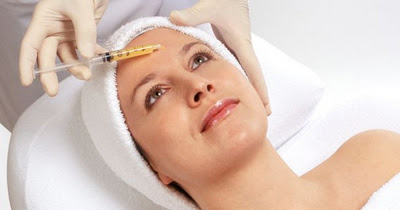
Microneedling—also known as collagen induction therapy—is a minimally invasive cosmetic procedure that uses a pen-like device with fine needles to create controlled micro-channels in the skin. These tiny “micro-injuries” stimulate the body’s natural healing process, prompting the production of collagen and elastin, which are essential for firm, youthful skin.
The treatment is commonly used to improve:
- Skin texture and tone
- Fine lines and wrinkles
- The appearance of acne scars and enlarged pores
- Mild skin laxity
- Sun damage and pigmentation irregularities
Is It Effective?
Yes—when done properly, microneedling is highly effective. Clinical studies and thousands of aesthetic professionals report visible improvements in skin quality, firmness, and smoothness after a series of treatments. Many clients see results within 2–4 weeks, with continued improvement over several months as new collagen develops.
Benefits of microneedling include:
- Natural collagen and elastin production
- Safe for all skin tones (including Fitzpatrick IV–VI)
- No chemicals or thermal energy involved
- Minimal downtime (usually 1–3 days of redness)
- Can be paired with serums or skincare products for enhanced effects
But Is It Safe?
Microneedling is safe when performed by a trained professional using high-quality equipment. Like any procedure that involves the skin’s barrier, there is potential for side effects if done incorrectly or with unsterile tools. This is why it’s essential to:
✅ Use professional-grade systems, like the MD Needle Pen
✅ Follow proper treatment protocols and hygiene practices
✅ Avoid microneedling on broken or infected skin
✅ Customize treatment depth and speed based on the client’s skin type and goals
✅ Provide clear pre- and post-care instructions
Common side effects may include temporary redness, mild swelling, and tightness—similar to a sunburn—which usually resolves within 24–72 hours.
Risks increase when:
- At-home rollers or low-quality pens are used
- Sterilization is overlooked
- Needle depth is too aggressive for the skin type
- The skin is not properly prepped or aftercare is ignored

What About At-Home Microneedling?
This is where things get tricky. While at-home dermarollers are widely available online, they’re not equivalent to professional microneedling tools. These rollers cannot adjust needle depth, are harder to sterilize, and often result in horizontal tearing of the skin, which can lead to irritation, infection, or even collagen breakdown—the exact opposite of what you want.
For best results and safety, microneedling should always be performed by a licensed professional using a regulated device like the MD Needle Pen.
The Bottom Line
Microneedling is not dangerous when done correctly—it’s one of the most effective non-invasive cosmetic treatments available today. It offers a powerful yet natural way to improve skin quality, reduce signs of aging, and support long-term skin health.
So is microneedling a miracle? No. But is it a science-backed, collagen-boosting game changer for the skin? Absolutely—when done right.
Interested in learning more about microneedling or getting started with a professional-grade device?
Visit us at mdneedlepen.com or call us at (855) 714-0004.
Want to find a certified practitioner near you? Use our Find a Practitioner tool and take the next step toward healthier skin.