Everything You Need to Know About Microneedling
Discover a Skin-Rejuvenating Treatment That Goes Beyond the Surface
While treatments like dermabrasion, chemical peels, and facials can refresh your skin’s outermost layer, microneedling takes it a step deeper—stimulating the skin’s natural rejuvenation process from within.
If you’re looking for a non-invasive way to improve texture, tone, and overall radiance, microneedling might be exactly what your skincare routine is missing. Don’t worry—it’s not as intimidating as it sounds. Let’s break it down.
What Is Microneedling?
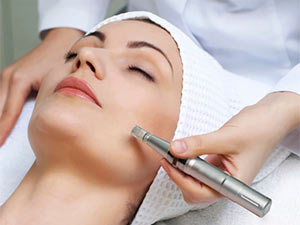
Microneedling—also known as collagen induction therapy—is a cosmetic procedure that uses fine, controlled needle channels to help activate the skin’s natural repair mechanisms. Using a motorized pen-like device such as the MD Needle Pen, the skin is gently punctured with sterile microneedles at depths ranging from 0.25 mm to 2.5 mm.
These micro-channels trigger a wound-healing response that stimulates collagen and elastin production, encouraging firmer, smoother, more even-looking skin over time.
Unlike traditional dermarollers, professional microneedling pens provide greater precision, comfort, and safety—especially in delicate or hard-to-reach areas like around the nose and eyes.
What Skin Concerns May Microneedling Help With?
Microneedling is known for its versatility and effectiveness in improving a range of skin concerns, including:
- Fine lines and wrinkles
- Acne scars and surgical scars
- Uneven skin tone or texture
- Enlarged pores
- Mild skin laxity
- Stretch marks
- Dull, tired-looking skin
Microneedling is also suitable for all skin types, including darker skin tones that may not tolerate certain laser treatments.
How Often Should You Do Microneedling?
For the best results, a series of 3 to 6 treatments spaced about 4 weeks apart is typically recommended. The number of sessions needed will vary depending on your skin goals and the condition being addressed.
With each treatment, you’ll notice gradual and natural-looking improvements as collagen rebuilds from within.

Does Microneedling Hurt?
Most patients rate the discomfort between 2 to 3 out of 10. A topical numbing cream is applied before the treatment, making the experience very tolerable. You may feel a light prickling or vibration during the procedure.
Afterward, expect some redness or sensitivity similar to a mild sunburn, which usually subsides within 24–48 hours. It’s a good idea to avoid social plans the day after treatment, just in case your skin is still slightly pink.
Why Choose Microneedling Over Other Treatments?
Microneedling is:
- Less invasive than lasers and chemical peels
- More affordable than many resurfacing treatments
- Suitable for all skin tones
- Backed by real-world results with a high satisfaction rating
According to RealSelf, microneedling has a 90% “Worth It” score, reflecting its growing popularity and impressive outcomes.
Ready to Try Microneedling?
If you’re looking for a trusted, professional-grade skin rejuvenation system, the MD Needle Pen is designed for precision, performance, and visible results. Whether you’re a licensed practitioner or a client seeking treatment, we’re here to support your skincare journey.
📞 Call us at 855-714-0004
🌐 Visit MDNeedlePen.com to learn more or find a practitioner near you.