Skin School: Microneedling Made Simple
How This Professional Treatment Supports Collagen and Radiant Skin
As we age, our skin naturally begins to lose collagen — the structural protein responsible for keeping our skin smooth, firm, and youthful. In fact, between the ages of 20 and 40, collagen levels can decline by up to 50%. With this gradual loss of support, the skin may appear thinner, less elastic, and more prone to wrinkles.
While injectables and topical skincare have their place in any skin journey, microneedling stands out as a powerful professional option to support collagen renewal and visibly rejuvenate the skin — all without surgery.
What Is Microneedling?
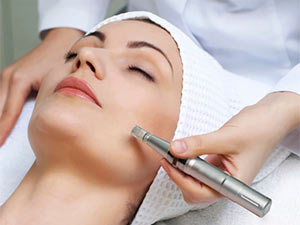
Microneedling is a minimally invasive cosmetic procedure that uses a motorized pen-like device with a sterile cartridge of ultra-fine needles. As the pen glides across the skin, it creates precise, controlled micro-channels on the surface.
These micro-injuries stimulate the skin’s natural healing response, which includes:
- Increased collagen and elastin production
- Enhanced cellular turnover
- Improved skin tone, texture, and firmness
This process helps the skin appear more refreshed, resilient, and radiant over time.

In-Office vs. At-Home Microneedling: What’s the Difference?
Professional Microneedling:
Performed by licensed providers using professional-grade devices, this treatment allows for variable needle depth settings — ranging from 0.25mm for delicate areas to up to 2.5mm for advanced skin rejuvenation. This versatility makes it ideal for addressing:
- Mild to moderate wrinkles
- Acne scars and enlarged pores
- Laxity and texture irregularities
- Hyperpigmentation and sun damage
Professional microneedling may also be combined with topical serums or in-clinic peels to boost results.
At-Home Devices (e.g., dermarollers):
At-home rollers typically use shorter needles (under 0.5mm) that do not penetrate deeply enough to stimulate meaningful collagen production. While they can support product absorption and gentle exfoliation, they cannot achieve the results of a professional treatment and carry a higher risk of contamination if not properly sanitized.
What Can You Expect After Treatment?
Immediately following a professional microneedling session, the skin may appear pink or flushed, similar to a mild sunburn. You might also see pinpoint redness in some areas — this is a normal part of the process.
Healing typically occurs within 1 to 3 days, with many clients noticing a healthy glow within the first week. Results continue to build over time, with the most noticeable improvements visible after 4 to 6 weeks.
How Often Should You Microneedle?
- Professional treatments: Typically recommended every 4–6 weeks in a series of 3–6 sessions.
- At-home dermarollers: May be used 1–2 times per week with very shallow depth, but results will be limited compared to in-office options.
For optimal results, spacing treatments appropriately is key. Over-treatment can lead to irritation, slow healing, and the opposite effect, which we do not want.
What Skincare Should You Use With Microneedling?
Post-procedure care is crucial for comfort and results. We recommend:
- Antioxidant serums (e.g., Vitamin C or E) to support skin recovery and brightness
- Barrier-repairing moisturizers to lock in hydration
- Broad-spectrum SPF 30+ sunblock every day, especially in the days following treatment
Avoid exfoliating acids, retinoids, or active ingredients for several days post-treatment unless directed otherwise by your provider.
Knowledge is Power — And Radiant Skin Starts With Education
At MD Needle Pen, we’re committed to supporting both practitioners and clients with quality education, tools, and treatment options designed to deliver visible skin results.