Cosmetic Microneedling with PRP Support
Boost Glow and Hydration Naturally
Refresh your skin by pairing cosmetic microneedling with PRP (Platelet-Rich Plasma), a concentrated serum created from your own blood. Skincare professionals frequently use this popular combination to promote a smoother, brighter-looking complexion and visibly enhance skin tone and texture.
Is Microneedling with PRP Worth the Hype?
As beauty trends shift, clients often ask which treatments truly deliver. Microneedling with PRP—often known as the “Vampire Facial”—continues to attract attention from skincare professionals and media alike for its natural, non-invasive approach to visible skin rejuvenation.
What Is PRP?
PRP, or Platelet-Rich Plasma, is the golden-colored layer your provider extracts after drawing a small amount of your blood and spinning it in a centrifuge. This process concentrates the platelets, which are packed with growth factors—natural proteins that support the skin’s renewal process.
Skincare professionals apply PRP topically during or after microneedling to help nourish the skin and support a radiant, youthful glow.
How PRP Complements Cosmetic Microneedling
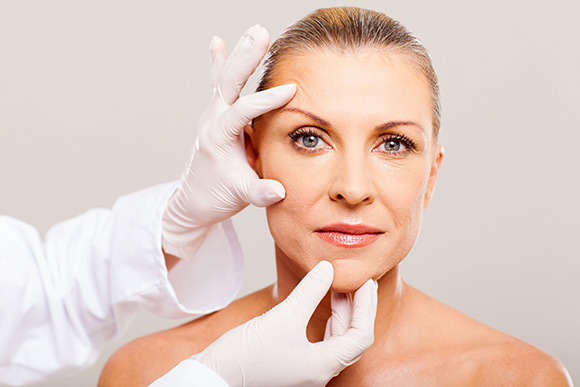
When paired with the MD Needle Pen, a professional-grade cosmetic system, PRP is applied topically after the skin has been treated with controlled micro-channels. These tiny channels may allow for better surface absorption of topicals—like PRP—resulting in:
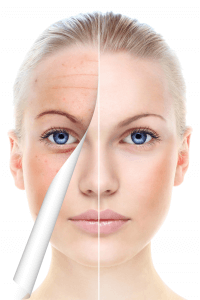
While results vary from person to person, this cosmetic treatment is often sought after to:
- A refreshed, luminous glow
- Smoother-looking skin texture
- Improved skin tone and hydration
- A more vibrant and youthful appearance over time
The Process of Cosmetic Microneedling with PRP
Step 1: Drawing and Preparing the PRP
A small sample of your blood is drawn and placed into a centrifuge. After spinning, the golden PRP layer is collected for use during the treatment.
Step 2: Cosmetic Microneedling
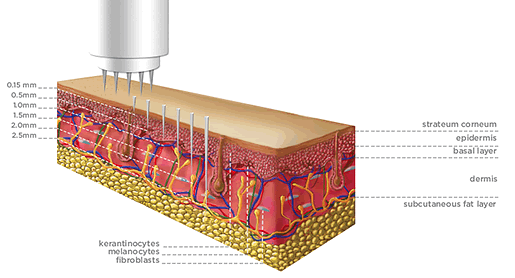
A professional applies the microneedling pen over the skin’s surface, creating ultra-fine channels in the top layer of the skin. These channels may temporarily improve the absorption of products like PRP.
Step 3: Topical PRP Application
Immediately after microneedling, the PRP is applied to the skin. Many clients report a visibly smoother, more hydrated complexion following this treatment.
This procedure is non-invasive and performed only in professional settings. PRP is always derived from the individual receiving the service, offering a natural, personalized boost to your cosmetic skincare routine.
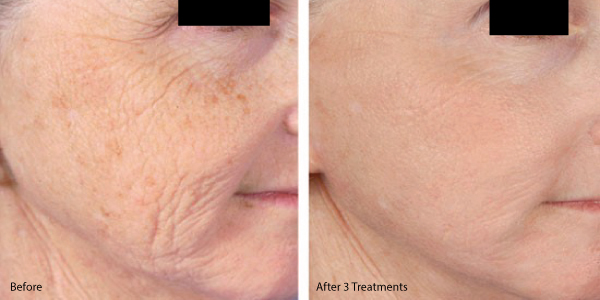
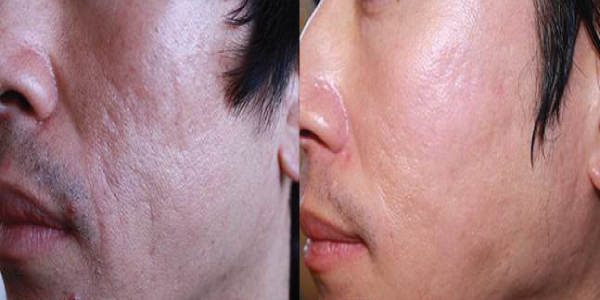
Cosmetic Benefits of PRP + Microneedling
Skincare professionals often use this combination to support:
- A dewy, hydrated glow
- Visibly smoother skin
- A reduction in the appearance of fine lines and texture irregularities
- An overall refreshed, healthier-looking complexion
PRP is simply a supportive, topical addition that works in harmony with your body’s natural skin processes.
Cosmetic Benefits of PRP + Microneedling
Skincare professionals turn to this powerful pairing to help clients:
- Reveal a dewy, well-hydrated glow
- Smooth out uneven skin texture
- Soften the look of fine lines and rough patches
-
Refresh the complexion for a visibly healthier appearance
PRP acts as a natural topical booster, working in sync with your skin’s renewal process to enhance the effects of microneedling.
Why Professionals Choose This Duo
Clients seeking a naturally radiant look often gravitate toward microneedling with PRP. Since the PRP comes from your own body, the treatment avoids synthetic ingredients while still delivering visible results.
Whether applied to the face or body, this cosmetic combo helps individuals:
- Boost skin radiance and clarity
- Encourage a smoother, plumper surface
- Gently revive their appearance without harsh methods
Note: Always check your state or local board regulations regarding the use of PRP in aesthetic treatments, as scope of practice and licensure requirements may vary.