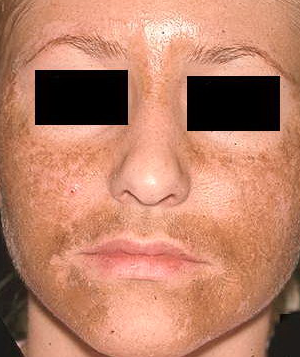
Microneedling is a cosmetic procedure that can help visibly improve uneven skin tone and texture by supporting the skin’s natural surface renewal process. Many professionals use microneedling to address the appearance of pigmentation irregularities, such as sunspots and discoloration, over a series of treatments.
The micro-channels created during the procedure can also enhance the absorption of brightening serums and hydrating formulas, helping the skin look more even, radiant, and refreshed.
Understanding Pigmentation and How Cosmetic Needling May Help
Before exploring treatment options, it’s important to understand that pigmentation concerns come in different forms. The two most common types are:
-
Hyperpigmentation: Darker patches of skin often caused by sun exposure, aging, hormonal shifts, or certain medications.
-
Hypopigmentation: Lighter areas of skin that result from a reduction in melanin production.
Cosmetic Procedures That Target Pigmentation
There are several cosmetic treatments available that may help improve the appearance of uneven skin tone. These include:
- Microneedling (also called cosmetic skin needling)
- IPL (Intense Pulsed Light)
- Laser-based therapies such as Laser Genesis or Fractional CO₂
- Chemical peels and brightening serums used at home or professionally
Among these, cosmetic microneedling offers a non-ablative option that can support skin rejuvenation with minimal downtime and lower cost when compared to some energy-based procedures.
Microneedling for the Appearance of Melasma
Melasma is a form of discoloration that appears as diffuse dark patches, often on the cheeks, forehead, and upper lip. It’s more common in individuals with deeper skin tones (Fitzpatrick IV–VI) and can also appear in men.
While this condition has historically been challenging to manage with energy-based devices due to the risk of post-inflammatory hyperpigmentation, cosmetic microneedling offers an alternative that may help improve the appearance of melasma-prone skin.
Pro Tip for Professionals: When addressing pigment-prone skin, use a finer needle gauge (such as 31 gauge) and keep the needle depth conservative (0.5–1.0 mm). Gentle technique and the use of pigment-supporting serums may help reduce the risk of overstimulation.
Can Microneedling Help Improve the Appearance of Hyperpigmentation?
Uneven melanin production can result in visible pigmentation concerns—commonly seen as dark spots or patches—especially in individuals with deeper skin tones. This may occur from sun exposure, breakouts, or past skin irritation.
How Microneedling Supports Skin Tone Improvement
Microneedling, also referred to as cosmetic skin needling, is a technique that uses fine needles to create controlled micro-channels in the skin. This process can help stimulate the skin’s natural rejuvenation process without removing or damaging the epidermis. As the skin renews itself, it may appear more even, smooth, and refreshed.
Hyperpigmentation located in the epidermis (the skin’s outermost layer) often responds well to cosmetic needling procedures. In some cases, when pigmentation sits deeper in the skin (dermal layers), it may take additional treatments—and sometimes a combination of cosmetic procedures—to support more visible improvement.
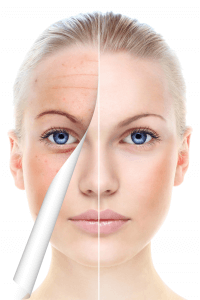
Professional Tip: Combining cosmetic microneedling with exfoliating or brightening treatments (such as gentle chemical peels) may enhance results when targeting stubborn pigmentation.
Sun Protection Is Essential
For best outcomes, clients undergoing skin renewal treatments should avoid prolonged sun exposure and always wear a broad-spectrum SPF daily. Unprotected sun exposure can reactivate pigmentation concerns and slow visible progress.
Combination Approaches with Microneedling
Enhance Cosmetic Results for Pigmentation Concerns
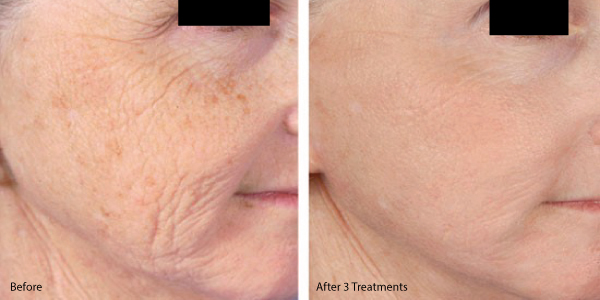
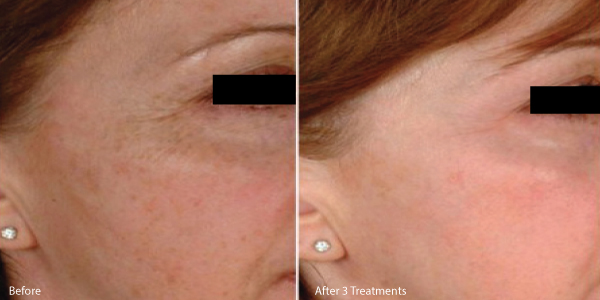
Cosmetic microneedling can be combined with brightening serums or skin-renewing formulas to support the appearance of a more even skin tone. For clients with visible pigmentation concerns, incorporating ingredients known for their brightening properties may help optimize cosmetic outcomes.
Brightening Ingredients Commonly Used Post-Treatment
To support skin clarity and brightness following cosmetic skin needling, some professionals choose to incorporate ingredients such as:
- Arbutin
- Kojic Acid
- Vitamin C
- Licorice Extract
- Alpha Hydroxy Acids (AHAs)
- Retinol or other Vitamin A derivatives
These ingredients are commonly found in products designed to brighten the skin and support the appearance of even tone. When using stronger ingredients like hydroquinone, it’s advisable to cycle its use and monitor the skin’s response over time.
Pro Tip: Rotating active ingredients every few months may help reduce the risk of overuse and allow the skin to respond well to a broader range of botanical and clinical brighteners.
Can Cosmetic Microneedling Lead to Hyperpigmentation?
When performed properly by a trained professional, microneedling is a safe cosmetic treatment. However, in rare cases, skin discoloration may occur—particularly when:
- Needle depths exceed 1.5 mm too frequently
- There is insufficient time between sessions
- The skin is exposed to unprotected UV rays post-procedure
To minimize this risk, it is important to space cosmetic microneedling sessions 4–6 weeks apart and incorporate post-care products such as Vitamin C-based serums and broad-spectrum SPF.
Cosmetic Skin Needling and Hypopigmentation
Hypopigmentation appears as lighter patches or spots due to reduced melanin production in specific areas of the skin. While there is no guarantee of reversal, some professionals report that cosmetic microneedling may help support the skin’s natural renewal process, contributing to more even-looking tone over time.
Microneedling may help by encouraging new skin formation and supporting the migration of healthy skin cells into visibly lighter areas.
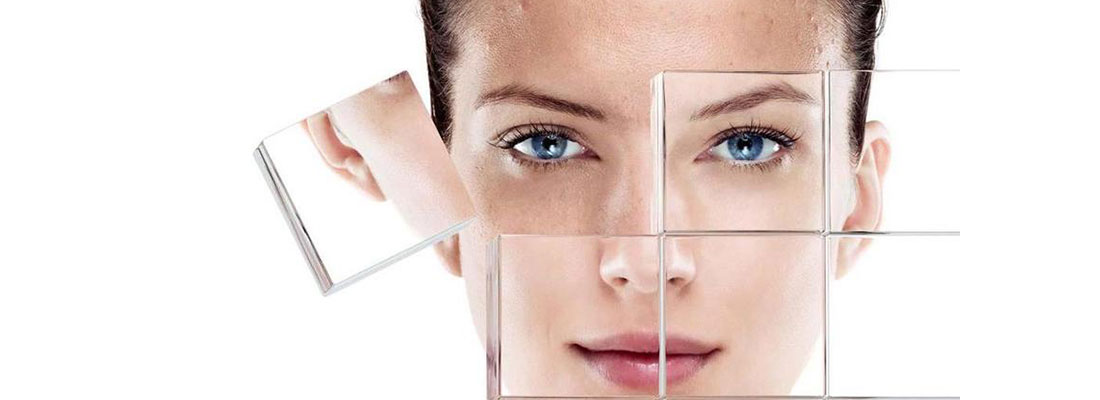
Cosmetic Microneedling & Skin Tone Support
A Professional Approach to Brighter, More Even-Looking Skin
While changes in skin tone and pigmentation take time, many professionals have found that a series of cosmetic microneedling sessions—typically 3 to 6 spaced a few weeks apart—combined with targeted skincare may help visibly improve uneven tone and texture over time.
The MD Needle Pen offers skincare professionals a reliable, easy-to-use device to support clients in achieving smoother, more radiant-looking skin.
Consistent care and the right at-home regimen make all the difference in helping your clients reach their skincare goals.