In-Clinic Microneedling vs. At-Home Devices: What’s the Difference?
At-Home Dermarollers vs. In-Office Microneedling: What’s the Difference?
With the rising popularity of microneedling, clients are increasingly asking about at-home tools like dermarollers — and whether they’re a safe alternative to in-office microneedling treatments.
While both options might look similar, there are critical differences in safety, effectiveness, and results. Here’s what you — and your clients — should know.
Needle Depth: The Key Distinction
The most important difference between at-home dermarollers and professional microneedling pens is needle length and depth control.
- At-Home Dermarollers: Typically 0.25 mm to 0.5 mm
- In-Office Microneedling Pens: Adjustable from 0.25 mm up to 2.5 mm (or higher for licensed medical use)
At-home tools are only able to reach superficial layers of the skin, which can help with exfoliation and product absorption — but do not reach the dermis, where visible improvements in texture and tone occur. Deeper depths should only be used by licensed professionals in a sterile environment.
Why Professional Microneedling Is More Effective
✅ Precision & Adjustability
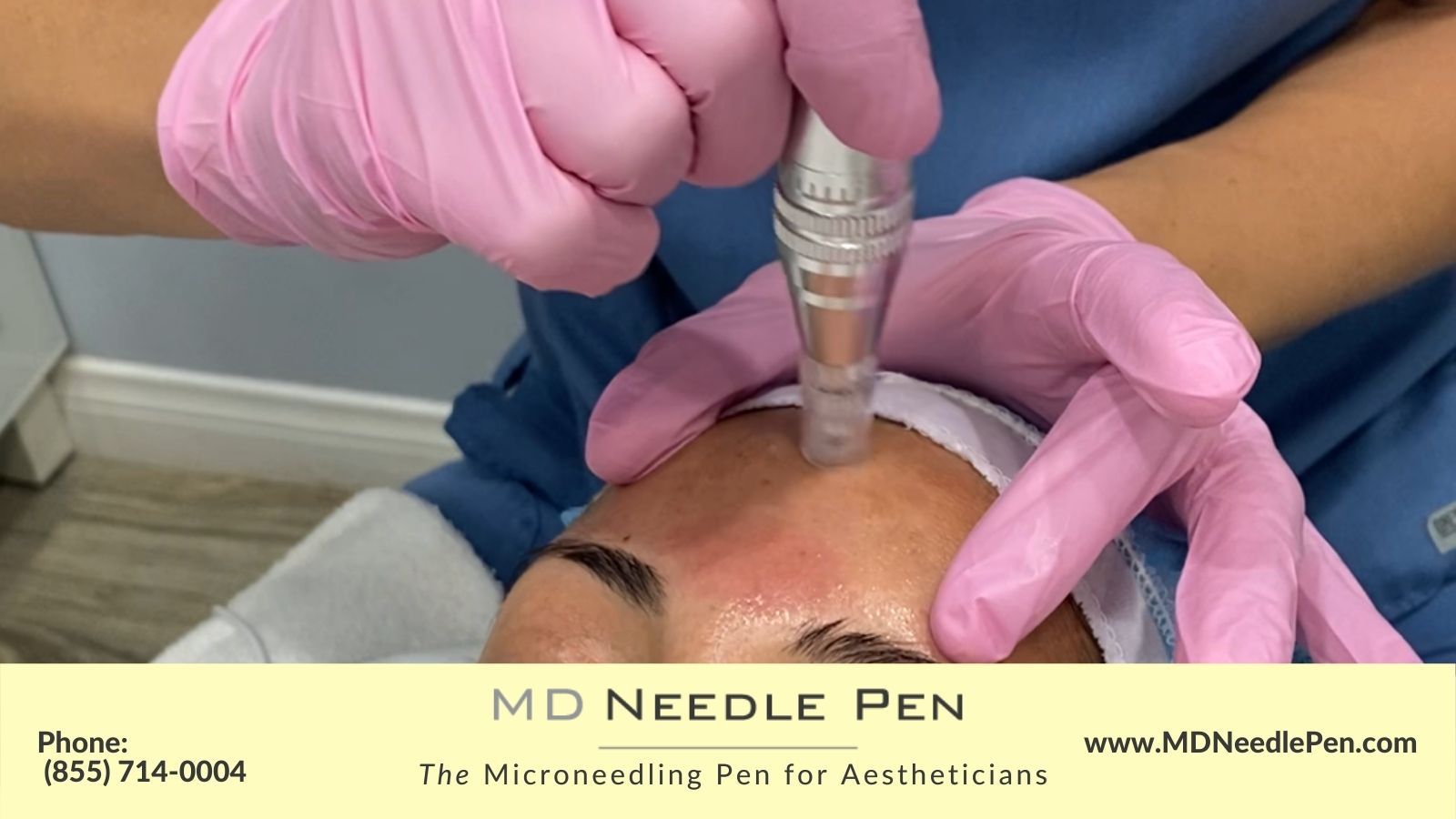
Professional pens allow practitioners to customize needle depth for each area of the face and different cosmetic concerns — like post-acne marks, fine lines, or uneven tone.
✅ Safer Application
In-clinic devices use vertically penetrating needles for cleaner micro-channels, with less trauma compared to angled dermarollers that may cause surface tearing or irritation.
✅ Hygiene & Single-Use Cartridges
Sterile, single-use cartridges and medical-grade protocols significantly reduce the risk of infection or cross-contamination.
✅ Professional Guidance & Post-Care
Licensed providers can recommend skincare products tailored to skin type, adjust treatment plans, and monitor progress.
The Risks of At-Home Dermarolling
While DIY microneedling might seem convenient and affordable, the risks often outweigh the rewards:
- Cross-contamination: At-home users often reuse tools without proper sterilization, increasing the risk of infection.
- Uneven application: No depth control can lead to overuse or insufficient treatment in key areas.
- Increased trauma: Dull or low-quality needles can drag across the skin, causing unnecessary irritation.
- Pigmentation issues: Incorrect depth or pressure may trigger melanocyte activity, potentially worsening hyperpigmentation.
- Delayed results: Surface-level dermarolling may not reach the layers of skin where visible changes occur.
Microneedling Costs vs. Results
| Treatment Type | Average Cost | Needle Depth | Effectiveness |
|---|---|---|---|
| At-Home Dermaroller | $29–$75 | 0.25–0.5 mm | Minimal — product boosting & light exfoliation |
| Professional Microneedling | $150–$700 | 0.25–2.5 mm+ | Advanced cosmetic results (texture, tone, post-acne marks) |
Yes, professional sessions cost more — but they offer significantly more control, safety, and visible improvement.
Tips for Clients Considering Microneedling
If your client asks about at-home microneedling, here are some important points to share:
- Stick to the right schedule: Microneedling should not be done more than once every 4 weeks. Overuse can actually disrupt collagen formation and harm the skin barrier.
- Always use a new, sterile cartridge for every treatment. Never share cartridges or try to sanitize and reuse them.
- Avoid exfoliating acids before or after treatment. Ingredients like AHAs or BHAs can over-sensitize the skin if used too soon after microneedling.
- Use the right post-care products. Hydrating serums and gentle SPF should be used post-treatment. Professional products enhance results safely.
- Be cautious with dermarollers. If using one at home, apply minimal pressure, avoid active breakouts, and replace the roller frequently. Results will be superficial at best.
Professional Tools Deliver Professional Results
The MD Needle Pen is a cost-effective, professional-grade device trusted by licensed estheticians, nurses, and skin specialists across the U.S. and Canada. With adjustable needle depths, durable construction, and ongoing practitioner support, it’s the smarter alternative to overpriced systems — and far superior to at-home tools.
Microneedling vs. Dermaplaning: Which Is Better?
Both microneedling and dermaplaning are popular non-invasive treatments — but they serve different purposes.
Dermaplaning:
- Exfoliates the top layer of dead skin and peach fuzz
- Delivers a smoother canvas for makeup
- Enhances product absorption
- Offers an instant surface glow
Microneedling:
- Creates micro-channels to help improve skin texture, tone, and elasticity
- Supports the appearance of collagen production
- Visibly reduces fine lines, discoloration, and surface imperfections
- Offers deeper and longer-lasting cosmetic benefits
If your client wants glow and smoothness, dermaplaning works.
If they want visible improvement in texture, post-acne marks, or early signs of aging, microneedling is the better option.
Final Thoughts
Your clients care about visible results, comfort, and safety — not branding.
In-Clinic Microneedling vs. At-Home Devices: What’s the Difference?
Professional microneedling pens (like MD Needle Pen or Dermapen) offer:
- Adjustable needle depths (up to 2.5 mm)
- Precision control
- Use of topical anesthetic (by licensed professionals only)
- Proper hygiene protocols with sterile, single-use cartridges
- Customizable treatments for various skin concerns
At-home microneedling tools (like rollers or non-adjustable pens):
- Typically limited to shallow needle depths (0.25 mm or less)
- Cannot address deeper texture or tone issues
- Come with a higher risk of skin irritation or improper technique
- They are often not used in a sterile environment
- Lack of practitioner guidance and tailored protocols
Bottom line: At-home tools may help with mild exfoliation and product absorption, but they won’t provide the depth or precision needed to improve more advanced cosmetic concerns.
Learn more: What is the Best Professional Microneedling Device?